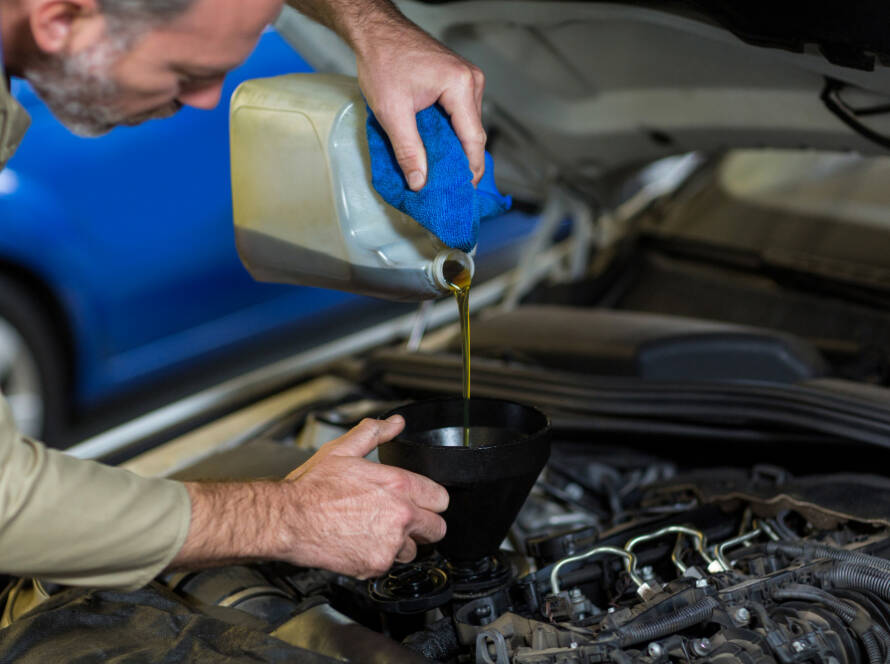


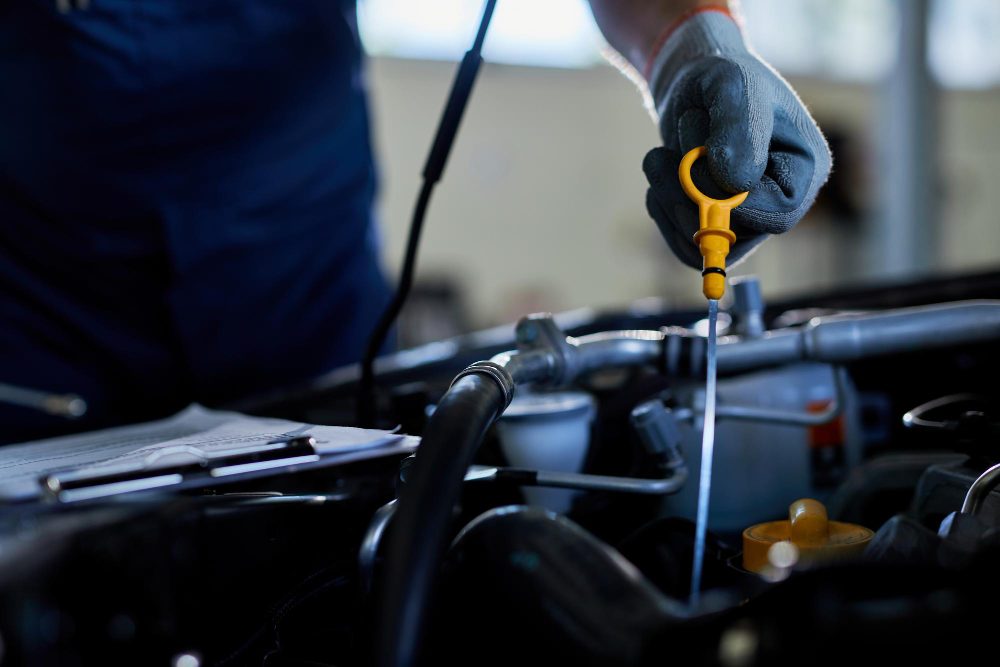
Many drivers believe that regularly changing the engine oil is the ultimate key to keeping their car in good health. While oil changes are indeed essential, they are only one part of proper vehicle maintenance. To ensure your car’s performance, safety, and longevity, you need to go beyond oil changes and look at the bigger picture.
At FutureTire, we often meet drivers who are surprised when unexpected issues arise, even though they never skipped an oil change. The reality is that your car requires a full maintenance routine, not just fresh oil.
Why Engine Oil Changes Matter
Engine oil keeps the engine lubricated, prevents overheating, and reduces wear and tear. Without regular oil changes, your engine could suffer from:
- Increased friction and damage.
- Higher risk of overheating.
- Reduced fuel efficiency.
While vital, oil changes don’t cover everything your car needs.
What Else Your Car Needs Besides Oil Changes
1. Tire Maintenance
Your tires are the only part of the car that touches the road. Regular tire rotation, balancing, and pressure checks ensure:
- Better safety and grip.
- Longer tire lifespan.
- Improved fuel economy.
Ignoring tire maintenance can be just as harmful as skipping an oil change.
2. Brake System Inspection
Brakes are your first line of safety. Replacing brake pads and checking fluid levels keeps you and your passengers safe on the road.
3. Battery Health
A weak battery can leave you stranded, even if your engine oil is perfect. Checking connections and battery life is key.
4. Air & Fuel Filters
Dirty filters reduce efficiency and can damage the engine. Regular replacements improve performance and fuel economy.
5. Fluid Levels
Coolant, transmission fluid, brake fluid, and power steering fluid all play vital roles. Neglecting them can lead to costly repairs.
6. Water Pump – The Heart of Cooling
The water pump circulates coolant through the engine to prevent overheating. If it fails, the engine can overheat in minutes, causing severe (and costly) damage.
🔧 Signs of water pump issues:
- Coolant leaks under the car.
- Whining or grinding noise from the engine area.
- Engine temperature rising quickly.
Regular inspection of the cooling system and replacing the water pump when recommended by your manufacturer is key for engine protection.
7. Timing Chain / Timing Belt
The timing chain (or belt in some vehicles) keeps the engine’s valves and pistons moving in perfect sync. If it breaks or slips, the engine can suffer catastrophic damage.
🔧 Why it matters:
- A worn or stretched timing chain can cause poor performance, engine misfires, or complete failure.
- Most timing belts need replacement every 90,000–160,000 km depending on the car model. Timing chains usually last longer but still require inspection.
Maintaining the chaîne de distribution is not optional — it’s essential for keeping your engine alive.
✅ So, the real answer to “Is changing engine oil enough?” is clear: No.
Your car depends on a full system of parts working together — oil, tires, brakes, battery, fluids, water pump, and the timing chain. Ignoring one piece of the puzzle can put the whole vehicle at risk.